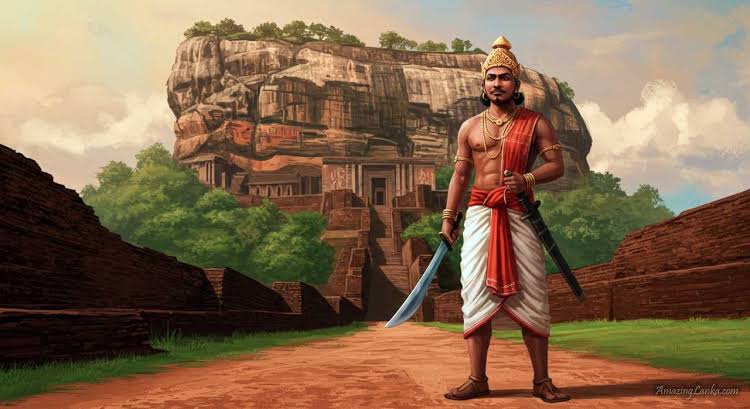
King Ravana — The Scholar-King of Lanka
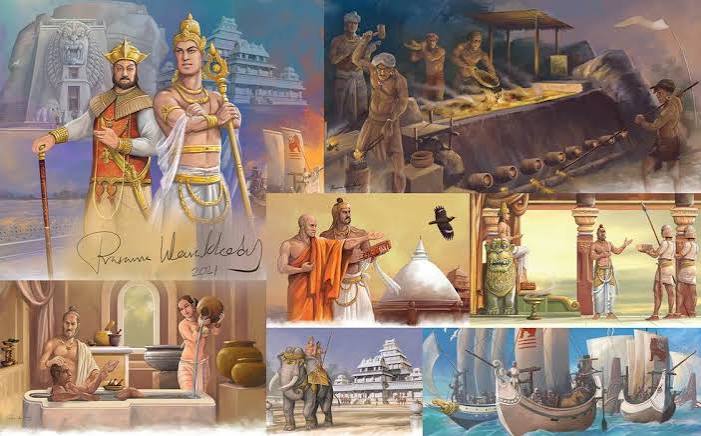
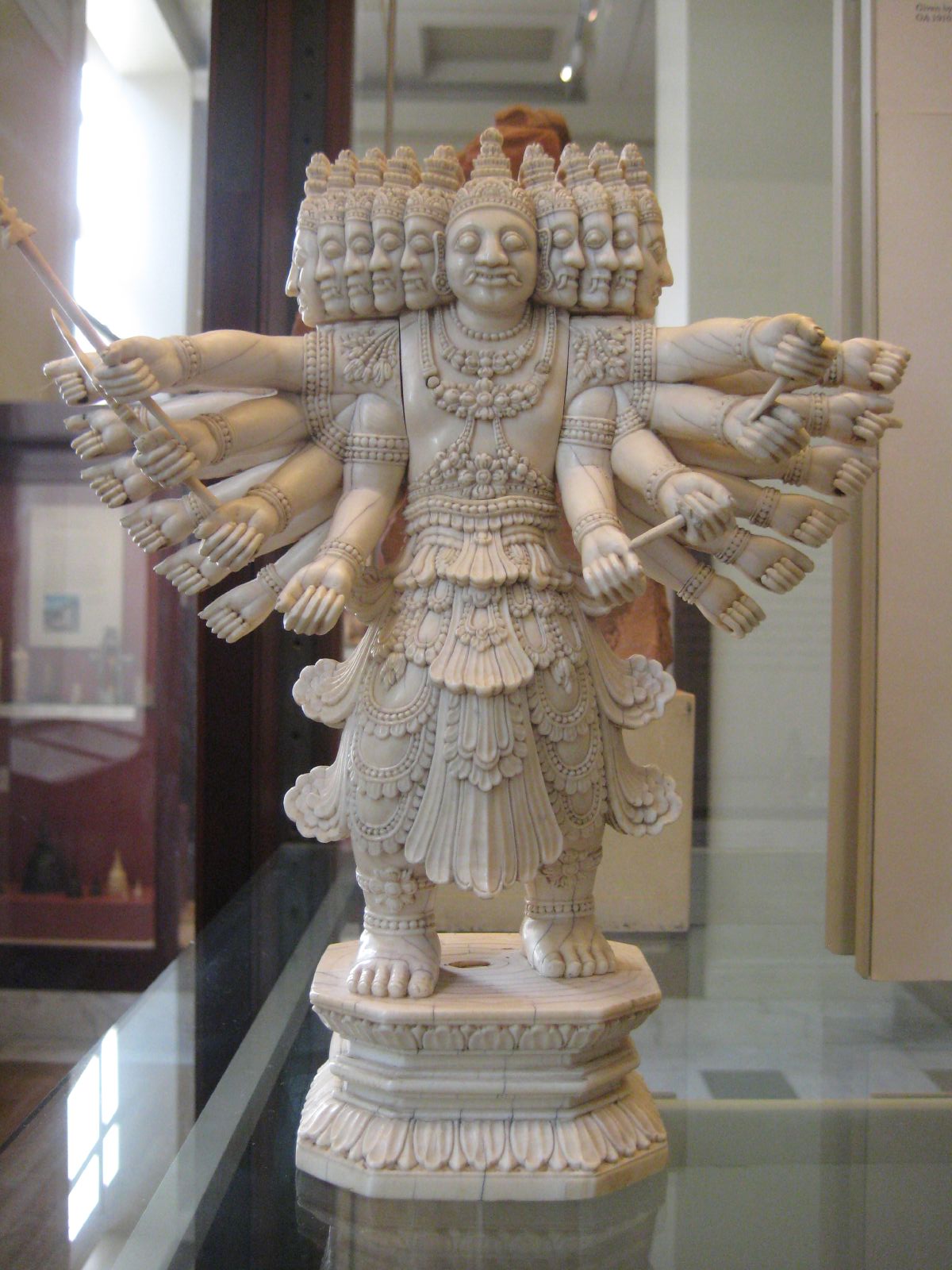
Long before the written chronicles of the Mahavamsa, Sri Lankan oral tradition and the Indian epic Ramayana preserve the memory of Ravana — the ten-headed demon king of Lanka who abducted Sita, wife of the prince Rama. In Sri Lankan tradition, however, Ravana is remembered not as a villain but as a ruler of extraordinary learning: a master of Ayurveda, a musician who invented the Ravanaya (a precursor to the violin), and a king whose kingdom was so prosperous that his aircraft — the Dandu Monara — could traverse the sky.
Archaeological research has identified sites across Sri Lanka with the Ravana legend: Seetha Eliya in the hill country, where Sita is said to have been held; Ravana Ella Falls near Ella; and the Weragantota Plain in Mahiyangana, proposed by some researchers as the site of Ravana's airstrip. The Ramayana Trail — a pilgrimage route connecting 50 sites associated with the epic — has emerged as a significant draw for heritage tourism.
Whether historical or mythological, the Ravana tradition reflects something real about pre-Buddhist Sri Lanka: a sophisticated, outward-looking civilization connected by sea and air to the subcontinent, with its own medical, musical, and spiritual traditions that predate the Aryan migrations recorded in the Mahavamsa.