Living tradition

The Culture of
Sri Lanka

Two thousand years of artistic tradition — carved in stone, woven into ceremony, and served on a banana leaf.

Ritual & Theatre

Ves Muhunu — The Sacred Face Masks

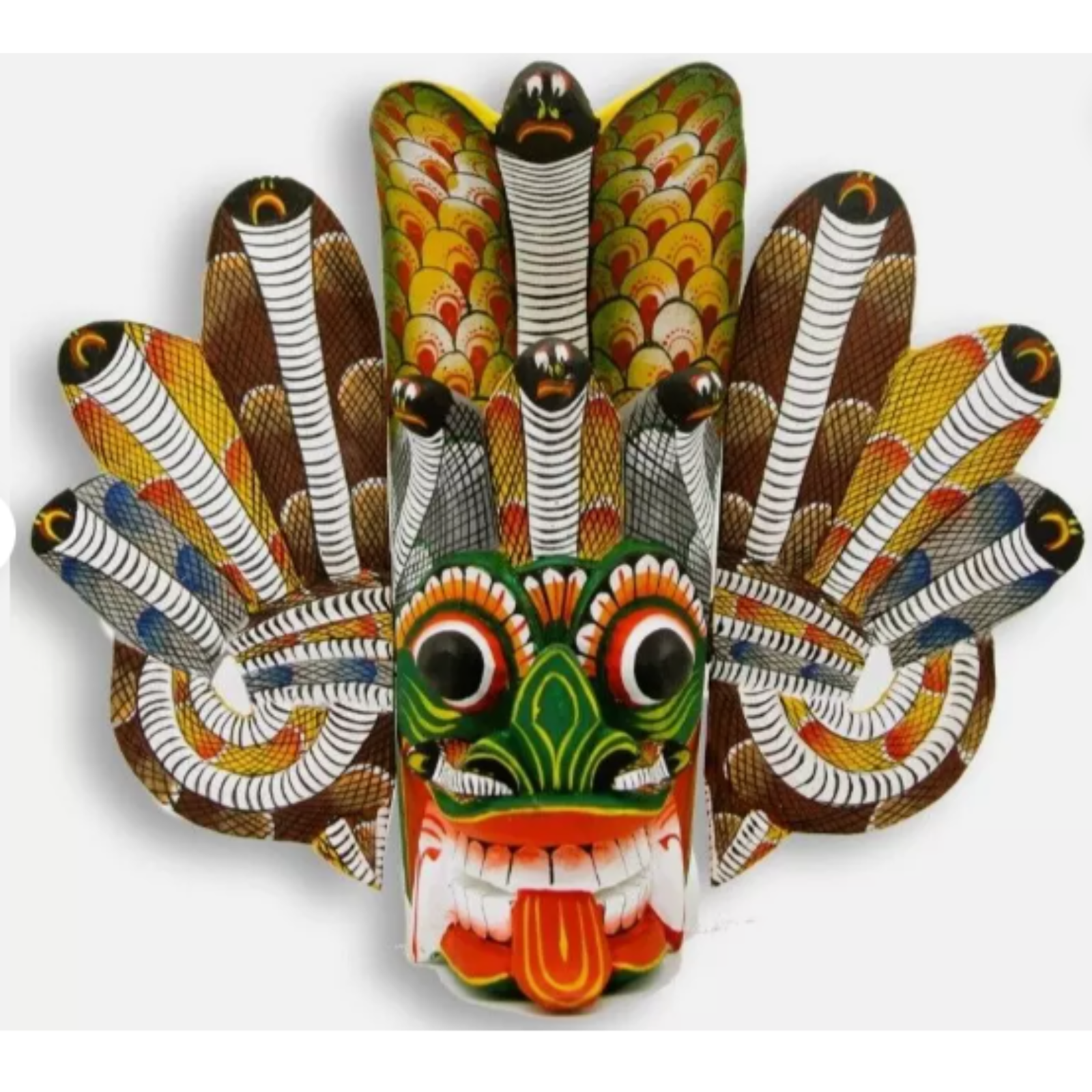
Sri Lanka's devil masks — Kolam and Raksha — are among the most distinctive art objects in South Asia. Carved from the light wood of the Kaduru tree and painted in vivid lacquer, they have been used for over two thousand years in Tovil healing ceremonies and Kolam street theatre.

The Ves mask, worn exclusively by Kandyan dancers of the Ves tradition, is the most sacred of all. It represents Kohomba — a divine king — and may only be donned after a dedicated ritual ceremony. Each mask is hand-carved by hereditary craftsmen in the coastal town of Ambalangoda, where an entire street has been devoted to the tradition for centuries.

The eighteen Raksha demon masks used in the Raksha dance are believed to ward off disease and evil spirits. Tourists may purchase decorative versions, but authentic ceremonial masks remain within village communities and are passed through family lines.

Ves mask Sri Lanka
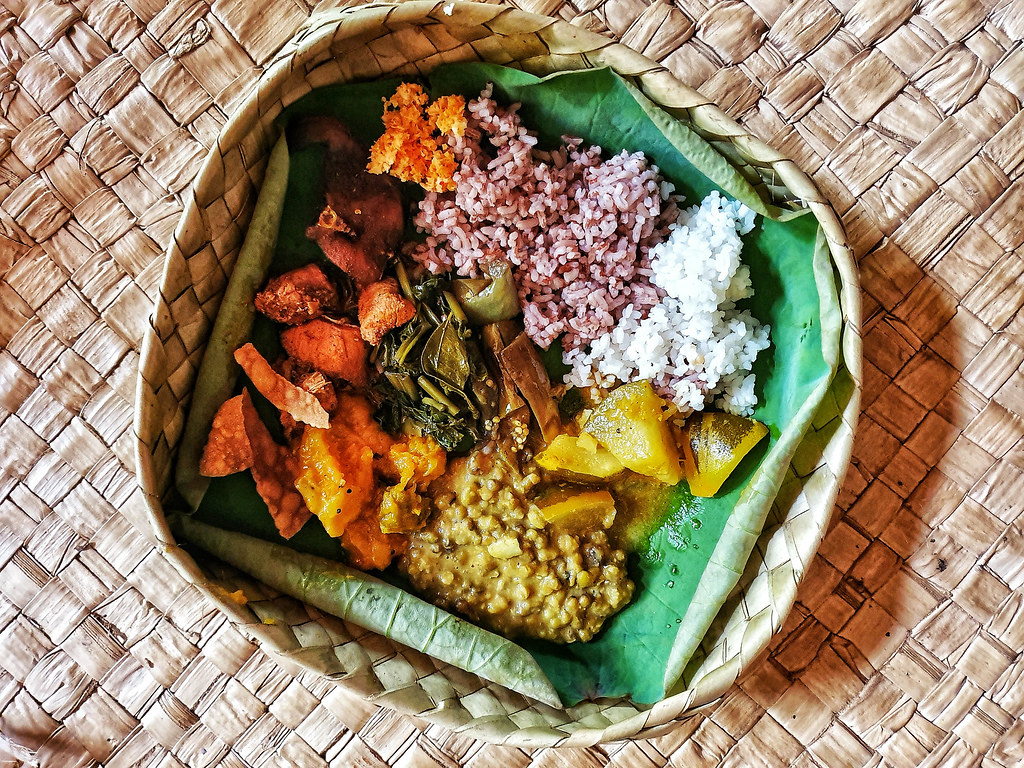
Sri Lankan food
Spice & Ceremony

Food Culture — The Art of the Rice & Curry

Sri Lankan cuisine is structured around the rice and curry — not a single dish but a system. A typical meal presents rice alongside five to twelve small dishes of varying heat, texture, and colour: dhal, coconut sambol, seeni sambol, papad, pickle, and a rotating cast of vegetable, fish, or meat curries depending on region and religion.

The spice palette is distinct from Indian cooking: Goraka (a sour tamarind relative), Rampe (pandan leaf), Curry leaf, and black mustard seed are as essential as the chilli. Sri Lanka's coastal position historically made it the world's most important supplier of cinnamon — the real kind, Ceylon cinnamon, which remains sweeter and more complex than the cassia sold elsewhere.

Eating is a communal and ceremonial act. Wedding feasts follow precise sequences — the bride's family serves specific dishes in an order that signals relationships and social standing. Almsgiving to Buddhist monks at dawn, when laypersons offer food as merit-making, shapes the daily rhythm of villages across the island.

Movement & Devotion

Kandyan Dance — Court Art of the Last Kingdom

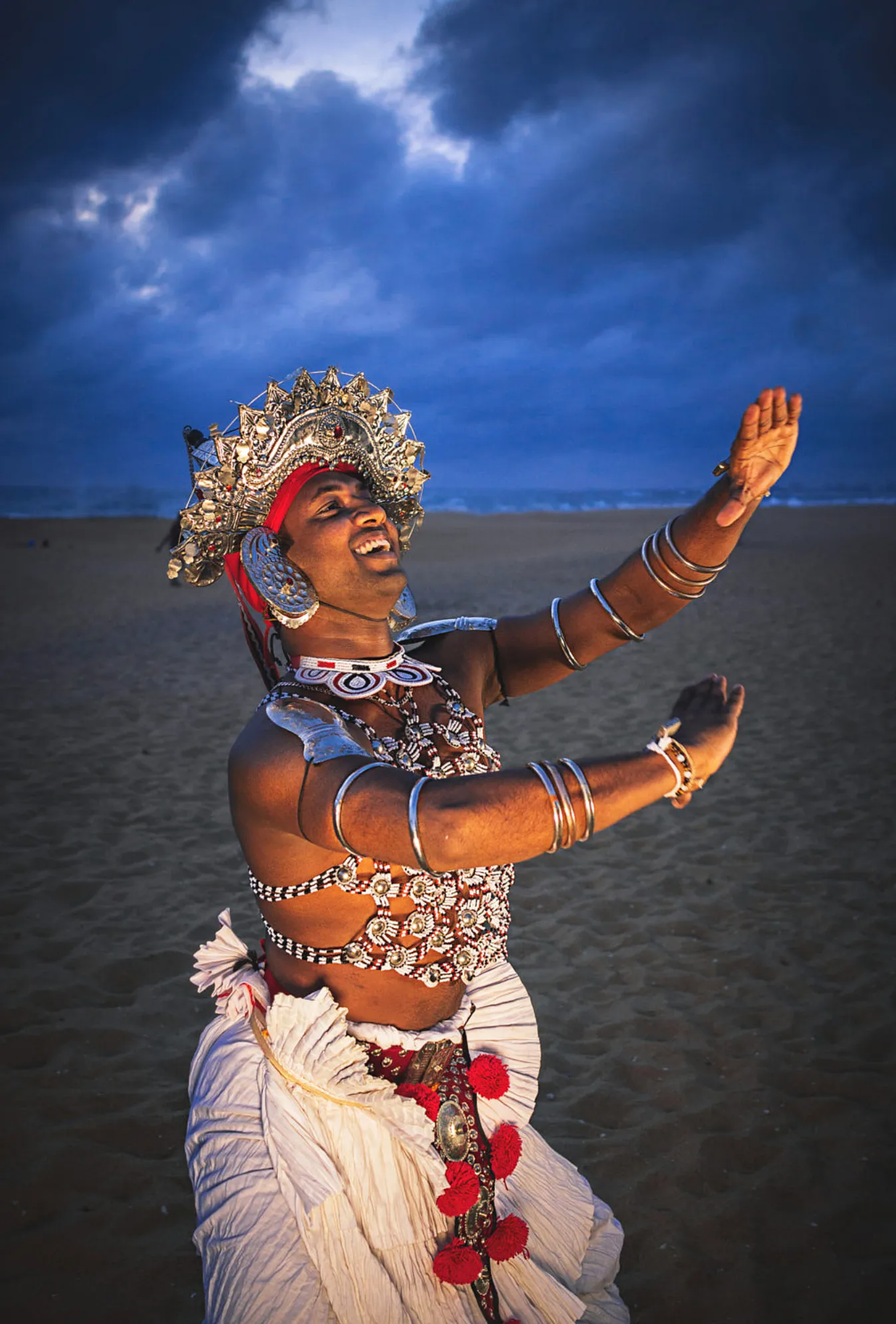
Kandyan dance — Udarata Natum — developed in the royal courts of the last Kandyan kingdom between the 17th and 19th centuries. It is a male tradition performed in elaborate headdresses, silver breast ornaments, and layers of white cloth. The physical vocabulary is extraordinarily demanding: rapid eye movements, chest contractions, and the climactic leap-and-land of the Udekki rhythm.

The tradition divides into five categories, each performed by a different hereditary caste grouping: Ves, Naiyandi, Udekki, Pantheru, and Kohomba Kankariya — the most sacred, performed as an offering to the god Kohomba and lasting multiple nights in its complete form.

Visitors most commonly encounter Kandyan dance at the Esala Perahera in August — the great procession in Kandy where troupes perform before the elephant carrying the sacred tooth relic. Year-round performances take place at cultural centres in Kandy, though the formal teaching lineages remain closely guarded within the hereditary schools.

Kandyan dancers
Temple carvings Sri Lanka
Stone & Pigment

Carvings & Paintings — 2,000 Years of Sacred Art

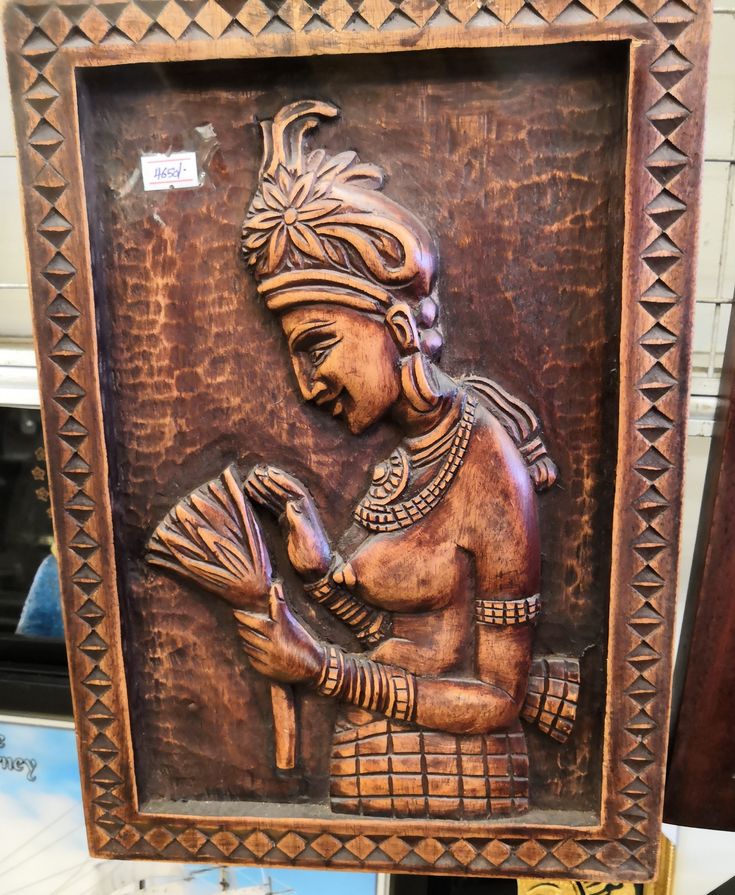
Sri Lanka's stone carving tradition reaches its earliest surviving peak at Sigiriya, where 5th-century frescoes painted on a sheer rock face depict apsara maidens in a style that blends Indian classical form with a distinctly local sensibility. The paintings have survived 1,500 years of monsoons in a pocket of natural shelter, preserved partly by their inaccessibility.

Cave temple paintings — most fully expressed at Dambulla, Mulgirigala, and Degaldoruwa — span the full arc of Sinhalese art history. The 12th-century murals follow strict iconographic rules set by the Pali text tradition; the 18th-century Kandyan-period paintings are more expressive, filling every surface with narrative scenes from the Jataka stories of the Buddha's past lives.

Stone carving flourished at Anuradhapura and Polonnaruwa, where moonstones — semi-circular threshold stones carved with concentric rings of animals and flowers — mark the entrance to every sacred building. The carving sequence (flame, elephant, horse, lion, bull, goose, lotus) encodes a Buddhist cosmological journey that the worshipper symbolically undertakes with every step.

Explore it in person

Our cultural packages place you inside these traditions — not observing from outside, but invited in.